Skip to content Skip to footer

Myofunctional Therapy

Myofunctional Therapy (OMT)

Myofunctional Therapy: The Key to Better Breathing, Eating, and Speaking.

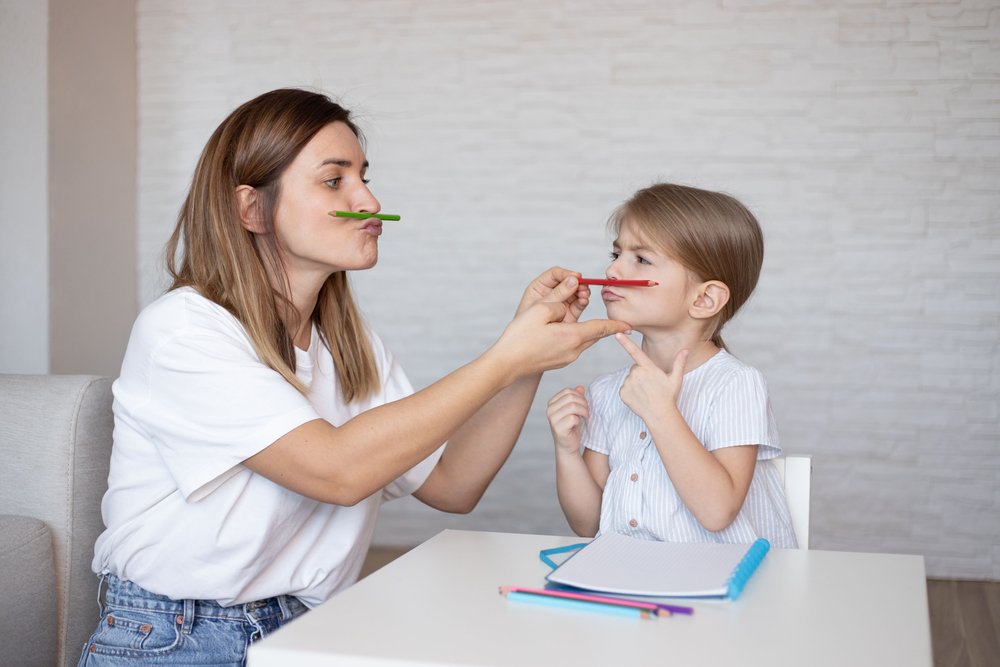
Myofunctional Therapy is a specialized program of exercises designed to re-train the muscles of the face, mouth, and tongue. At Somniabay Sleep, we correct the root causes of breathing and development issues.

Correcting muscle function can affect everything from the way you breathe to how your face develops and stays healthy over time.

Schedule Evaluation
The 4 Main Goals of OMT

Effective therapy focuses on establishing these four vital habits for optimal health.

01

Tongue Posture

Training the tongue to rest entirely against the palate, not the teeth.

02

Lip Seal

Ensuring lips remain closed naturally at rest for a proper airway.

03

Nasal Breathing

Training the body to breathe through the nose 24/7 for oxygen quality.

04

Proper Swallowing

Correcting "Tongue Thrust" to move the tongue backward, not forward.

Why is OMT Critical?

Sleep & Airway:

Strengthening the tongue prevents it from collapsing into the throat, reducing snoring and Sleep Apnea symptoms.

Orthodontic Stability:

Prevents teeth from shifting back after braces (relapse) by balancing muscle pressure.

Facial Development:

In children, proper function guides jaws to grow wide and forward for a more aesthetic structure.

Jaw Pain (TMJ):

Helps relieve tension in facial muscles that lead to headaches and jaw clicking.

Signs You Need OMT

If you or your child experience any of these, an evaluation is recommended:

  • Mouth breathing
  • Persistent snoring
  • Speech impediments (lisp)
  • Tongue-tie (Ankyloglossia)
  • Open bite or crowded teeth
  • Restless sleep

Adult/Teen Myo Self-Assessment

Bilingual: English / Español

1. Mouth open at rest? / ¿Boca abierta en reposo?
2. Often breathe through the mouth? / ¿Respira por la boca seguido?
3. Snoring, noisy breathing, or grinding? / ¿Ronquidos o bruxismo?
4. Wake with dry mouth or drool? / ¿Boca seca o baba al despertar?
5. Frequent nasal stuffiness? / ¿Congestión nasal frecuente?
6. Tongue rests low in mouth? / ¿La lengua descansa abajo (no arriba)?
7. Tired or foggy during daytime? / ¿Cansancio o falta de enfoque?
8. Messy eating or difficulty with saliva? / ¿Dificultad al comer o tragar?
9. History of crowded teeth or orthodontic relapse? / ¿Dientes apiñados?
10. Jaw clicking or neck tension? / ¿Tensión en cuello o clic en mandíbula?
11. Mouth breathing during workouts? / ¿Boca abierta durante ejercicio?
12. Effortful speech or tongue pushes forward? / ¿Habla con esfuerzo?
13. Heartburn/GERD or throat clearing? / ¿Reflujo o carraspeo frecuente?
14. Wake unrefreshed despite enough sleep? / ¿Despierta cansado?
15. History of sleep apnea or UARS? / ¿Apnea del sueño o referido a test?
Scoring: 0-2 Low | 3-4 Possible | 5+ Strong Indication. Educational use only.

Child Myo Self-Assessment (Ages 4–12)

Bilingual: English / Español

1. Mouth open at rest? / ¿Boca abierta en reposo?
2. Breathe through mouth often? / ¿Respira seguido por la boca?
3. Snoring or teeth grinding? / ¿Ronca o rechina los dientes?
4. Wake with dry mouth or drool? / ¿Baba o boca seca al despertar?
5. Frequent nasal stuffiness? / ¿Congestión nasal constante?
6. Tongue rests low in mouth? / ¿Lengua abajo en la boca?
7. Fidgety, busy, or hard to focus? / ¿Inquieto o difícil de concentrar?
8. Messy eating or managing saliva? / ¿Come sucio o gotea saliva?
9. History of crowded teeth or narrow palate? / ¿Dientes apiñados?
10. Jaw clicking or frequent headaches? / ¿Clic mandíbula o dolor cabeza?
11. Restless sleep or night sweats? / ¿Sueño inquieto o sudor nocturno?
12. Bedwetting past age 5? / ¿Se orina en cama después de los 5 años?
13. Sucking habits (thumb, pacifier)? / ¿Chupar dedo o chupete?
14. Lisp or tongue shows when talking? / ¿Seseo o lengua visible al hablar?
15. Crowded teeth or long face developing? / ¿Dientes apiñados o cara larga?
Scoring: 0-2 Low | 3-4 Possible | 5+ Strong Indication. Educational use only.